- The PEN Weekly
- Posts
- The "I'd Rather Be in Bed" Edition
The "I'd Rather Be in Bed" Edition
Why dreading the alarm clock doesn’t make you a bad teacher—it just makes you human

Chris Fernandes
January 05, 2026 • Estimated Reading Time: 4 minutes

MAKING IT EASIER TO BE A BETTER TEACHER
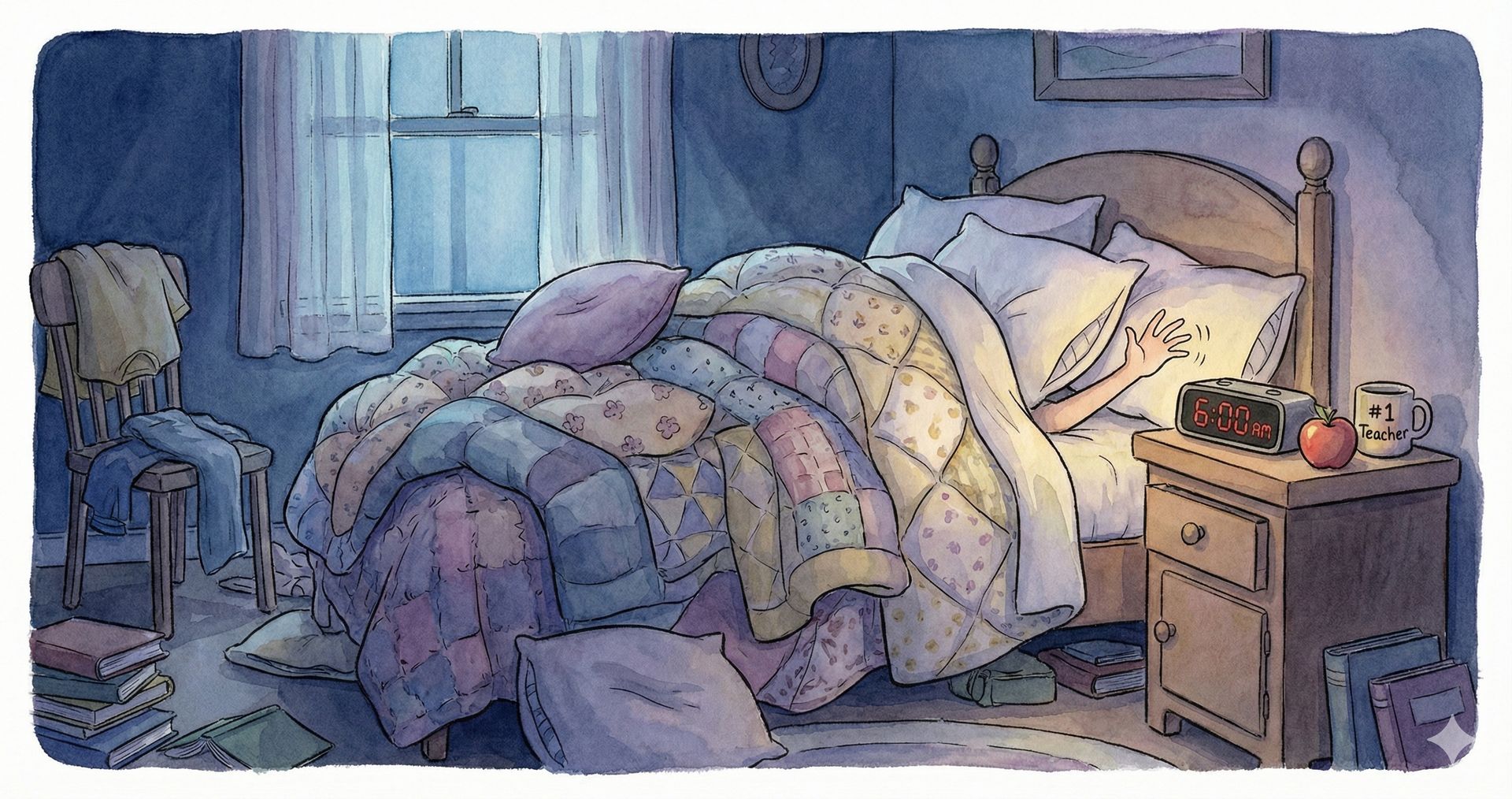
Let’s be real for a second. The "Sunday Scaries" aren’t just a hashtag; they are a full-blown physiological event. It is the specific existential dread that occurs when the brain realizes the ratio of "pajama time" to "performance time" is about to drastically shift. Whether coming back from a long winter break or just a particularly nice weekend, the feeling is the same: a heavy, magnet-like pull to stay under the duvet.
If the thought of lesson planning right now induces a mild panic attack, take a breath. It doesn't mean the break wasn't long enough (though, is it ever?), and it certainly doesn't mean the passion for education has evaporated. It just means the bed is warm, the world is cold, and seventh graders are... loud. Here is how to survive the re-entry without losing your mind.
🔉 But first, a word from today’s sponsor
AI-native CRM

“When I first opened Attio, I instantly got the feeling this was the next generation of CRM.”
— Margaret Shen, Head of GTM at Modal
Attio is the AI-native CRM for modern teams. With automatic enrichment, call intelligence, AI agents, flexible workflows and more, Attio works for any business and only takes minutes to set up.
Join industry leaders like Granola, Taskrabbit, Flatfile and more.
🚀Tech Tool Links from Last week
We received an overwhelming response from last week’s article, specifically about the tools that we mentioned in the newsletter. For those of you who were too afraid to ask, here are the links!
Atlas by OpenAI - Research-first browser that teaches better questions, not — faster answers.
Grades: 6–12, Teacher use
Comet by Perplexity - AI browser that organizes research and compares sources in real time.
Grades: 6–12, Teacher use
Imprint - Turns scrolling into learning with visual lessons in real subjects.
Grades: 9–12
Diffit - Adapts lessons you already use for different reading levels.
Grades: K–12
Brain.fm - Focus music for students (and teachers) who can’t sit still.
Grades: 3–12, Teacher use
Focus To-Do - Short, timed work sessions that build real study habits.
Grades: 6–12
We Will Write - Daily writing without daily marking. Collaborative and low-pressure.
Grades: 2–8
One Sec- Adds a pause before social media to curb distractions.
Grades: 9–12, Teacher use
Brain Break Hub - Zero-prep movement breaks when focus is gone.
Grades: K–8
Cymath - Shows steps, not just answers
Grades: 6–12
Suno - Turns prompts into songs for memory and creativity.
Grades: 4–12
You Are Not a Bad Teacher (You’re Just a Tired One)
There is a strange, specifically "teacher-branded" guilt that whispers, If you really loved the kids, you’d be excited to go back. This is, scientifically speaking, nonsense. Loving a job and loving sleep are not mutually exclusive concepts. In fact, dreading the return is often a sign that the break was actually restful. The brain has successfully disconnected from "Teacher Mode"—that hyper-vigilant state where one tracks bladder fullness and curriculum standards simultaneously—and it is simply protesting the reboot sequence.
This is especially true for newer teachers who are still building their stamina. The transition requires a massive amount of metabolic energy. So, if the primary emotion this morning isn't "Joyful Anticipation" but rather "Reluctant Acceptance," that is fine. You are not a bad teacher. You are a human being who knows that 6:00 AM is an unreasonable time for society to function. The kids don't need you to be thrilled today; they just need you to be there.
The "Soft Landing" Launch Plan
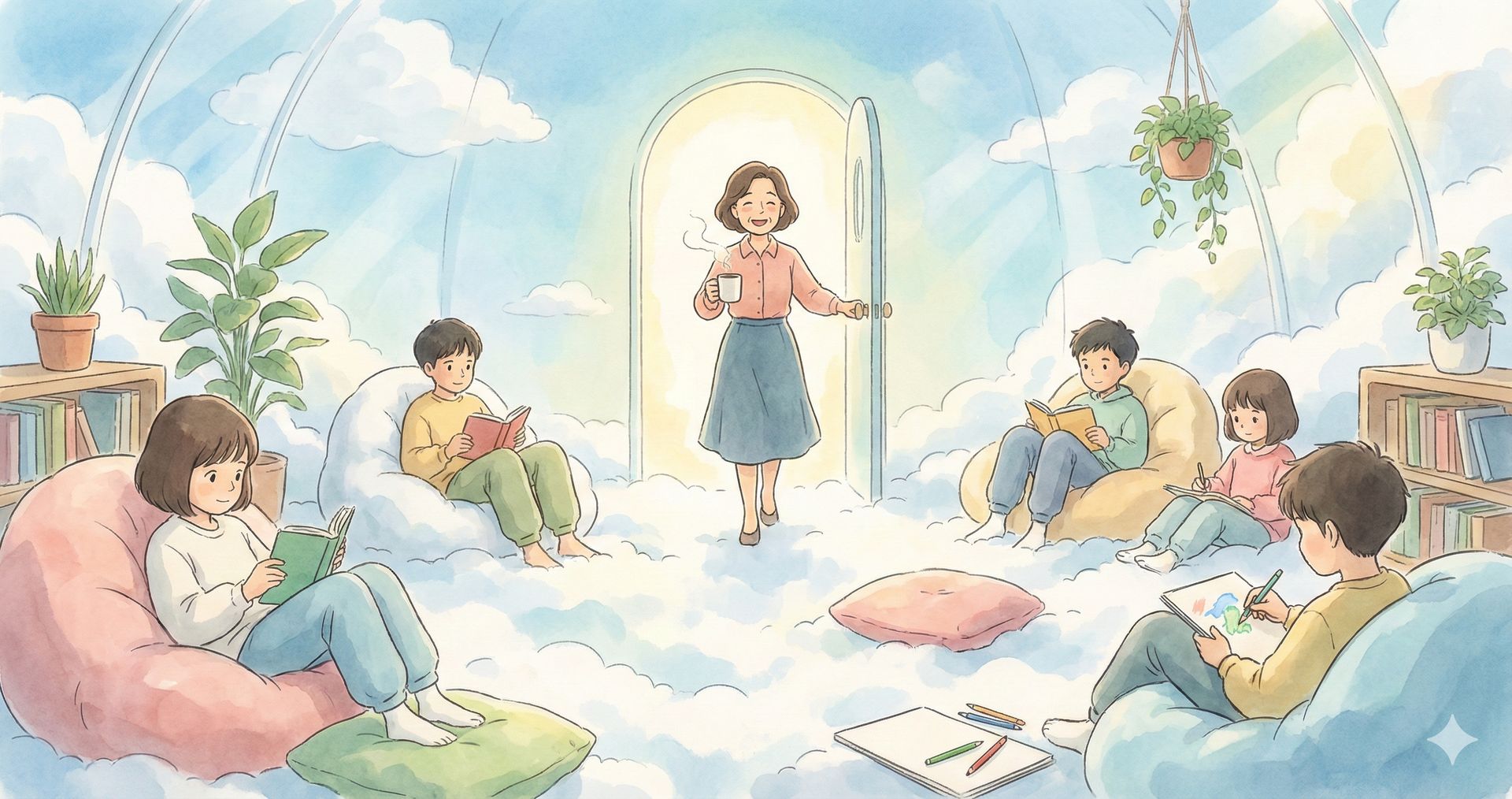
The biggest mistake made on the first day back is attempting to be a hero. Do not—repeat, do not—launch a complex new unit or an activity requiring 400 laminated cards on the first morning. That is a recipe for burnout by 10:00 AM. Instead, issue a self-signed permission slip to execute a "Soft Landing." The goal of the first day back isn't academic rigor; it is survival and re-regulation.
Use the "Low-Stakes Re-Entry" strategy. Plan a day that requires zero grading and minimal energy expenditure.
The "Highlight Reel": Have students create a slide deck or a poster of their break highlights. They do the work; you drink the coffee.
Silent Reading Block: It’s "literacy," but it’s also 20 minutes of silence.
Goal Setting: A 40-minute activity where students map out their intentions for the term. It burns time, builds culture, and requires no prep.
Hacking the "Failure to Launch"
One of the most frustrating parts of the return is the "inertia battle." Students stare at a worksheet like it’s a tax return written in ancient Greek. They struggle to start, which leads to behavior issues, which leads to teacher headaches. The friction of starting independent work is often too high after a break.
Enter the "Micro-Chunking" Timer. Instead of assigning the whole task, assign one distinct item. Tell the class, "You have exactly three minutes to do Question #1. Only Question #1." Set a timer on the board. When the timer goes off, check the work. Then do Question #2. By breaking the mountain into pebbles, the barrier to entry is lowered. It tricks the brain (both theirs and yours) into thinking the task is easy. Physics applies here: momentum is easier to maintain than to create.
The Myth of the "Comfort Zone"

Corporate motivational posters love to say that "Greatness happens outside your comfort zone." While that might be true for athletes or entrepreneurs, for teachers in January, the comfort zone is a sanctuary. There is a prevailing narrative that if you aren't constantly pushing, innovating, or "transforming lives," you are stagnant. But sometimes, the "comfort zone" is exactly where you need to be to recover and sustain a 10-month marathon.
You do not need to be "great" tomorrow. You do not need to be a superhero. The students do not need a performer; they need a regulated adult who is predictable and kind. If you show up, take attendance, keep everyone safe, and maybe teach a little bit of content, you have won the day. The "greatness" and the "innovation" will come back when the exhaustion fades. For now, quiet consistency is a victory in itself.
The Takeaway
Here is the good news: Tomorrow is just a Tuesday (or a Monday). It is a finite block of time that will end, reliably, at 3:00 PM. The bell will ring, the bus loop will clear, and you will be back in control of your destiny.
To make the day less daunting, plan a specific treat for after work. Order the takeout, queue up the show, or schedule the nap. Give the brain a finish line worth crossing. You’ve got this. And if you don't "got this" perfectly, that's okay too. Just get to the bell.
(Hang in there. Summer is closer than it looks.)
WHAT DO YOU THINK?
We would LOVE to hear from you!
Reply to this email, or send us a message on Instagram! We’re here to walk with you in these crazy times!
Part of what makes The PEN Weekly community so special is the fact that our readers are teachers from around the world! We’re not going to lie, we think that’s pretty darn cool!
We’ll see you again on Wednesday 🍎
Do you know someone who would appreciate reading the PEN? Share this newsletter with them! Our goal is to reach as many teachers as possible, and to build a community of teachers supporting teachers.
Reply